When most homeowners think about protecting their roof, they think about shingles. But in Michigan, some of the most important protection happens at the roof’s edge. Soffits and fascia do more than “finish” your roofline. They help manage moisture, support proper ventilation, keep pests out, and protect the parts of your roof system you can’t easily see.
If your soffits or fascia are aging, damaged, or poorly installed, problems can show up fast in our climate. Think ice dams, moldy attics, rotting wood, and gutters that never seem to drain right. Here’s how these components work, why they matter so much in Michigan, and how Horizon Roofing and Construction approaches roof edge protection the right way.
Understanding the Role of Soffits and Fascia
What are soffits and why they matter
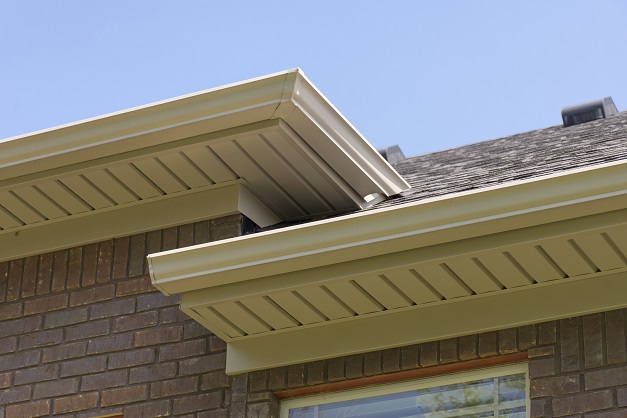
Soffits are the panels that cover the underside of your roof overhang, the area between the exterior wall and the roofline. On many Michigan homes, soffits include vented sections that allow fresh air to enter the attic. That airflow is not optional. It’s a core part of a healthy roofing system.
Soffits matter because they:
- Support roof ventilation and healthy attic airflow
- Help regulate attic temperature and moisture
- Reduce the chance of mold and roof rot prevention issues
- Close off openings where pests love to get in
When soffits are missing, blocked, or improperly vented, the attic struggles to “breathe,” and that’s where a lot of Michigan roof problems begin.
The purpose and function of fascia boards
Fascia is the board that runs along the roof edge where gutters attach. It’s the clean, straight line you see when you look at the roofline from the ground. Fascia also serves as a key structural and protective piece at the roof’s perimeter.
Fascia boards:
- Provide a secure mounting surface for gutters
- Protect exposed roof edges from water intrusion
- Help keep the roofline straight and sealed
- Support drip edge details that guide water away properly
If fascia is damaged or soft, gutters may pull away, water may back up under shingles, and the roof edge can start to deteriorate in ways that are easy to miss until repairs get expensive.
Why These Roof Components Are Crucial in Michigan
Climate challenges: snow, wind, and moisture
Michigan roofing systems face a lot. Heavy snow loads, freeze-thaw cycles, spring storms, and high humidity can all stress the roof edge. And because soffits and fascia sit right where water, wind, and ice like to collect, they take the brunt of it.
Common Michigan issues tied to roof edges include:
- Ice dams forming after snow melt refreezes at the eaves
- Wind driven rain finding weak spots along fascia lines
- Moisture buildup in attics during winter and shoulder seasons
- Condensation creating mold, mildew, and rotting roof decking
How soffits and fascia support long-term roof health
A roof works best when it functions as a system: shingles, underlayment, flashing, drip edge, gutters, ventilation, insulation, soffits, and fascia all working together. Soffits and fascia are the “connectors” between many of those parts.
When they’re in good shape, you get:
- Better roof edge protection
- More consistent attic ventilation and temperature control
- Reduced risk of moisture-related rot and mold
- Stronger gutter performance and fewer drainage failures
In other words, your roof lasts longer because the vulnerable edges are protected properly.
How Soffits Help Ventilate Your Attic
Balancing intake and exhaust airflow
A healthy attic needs balanced ventilation. Intake ventilation typically enters through soffit vents, while exhaust ventilation leaves through ridge vents, roof vents, or other exhaust points. When intake is blocked or missing, exhaust ventilation can’t do its job.
Think of it like breathing: Soffits bring fresh air in and exhaust vents move warm, moist air out. Together, they create steady attic airflow. When that balance is off, heat and moisture build up, and Michigan homes feel it quickly.
Preventing mold, ice dams, and wood rot
Proper soffit ventilation plays a direct role in:
- Attic mold prevention
Warm, moist air from your home rises. If it lingers in the attic, it can condense on cold surfaces and feed mold growth on wood framing and roof decking. - Ice dam prevention
Ice dams often start when attic heat melts snow on the roof. The water refreezes at the colder eaves, creating a dam that forces water back under shingles. Better ventilation helps keep roof temperatures more consistent, reducing melt-and-refreeze cycles. - Roof rot prevention
Moisture trapped near the roof edge can slowly rot decking, fascia, and framing. Good intake ventilation is a major line of defense.
The Consequences of Damaged or Missing Fascia
Water infiltration and hidden roofline damage
Fascia problems often hide in plain sight. A small soft spot can allow water to enter behind gutters or drip edge details, soaking wood and insulation. Over time, you may see:
- Peeling paint or staining along the roofline
- Soft wood behind gutters
- Water marks in the attic near the eaves
- Shingle edge deterioration
If water gets behind fascia or under edge details, it can spread along the roofline before you see obvious signs indoors.
Impact on gutter performance and siding alignment
Fascia is also the foundation for your gutters. When fascia is failing, gutters can:
- Sag or pull away from the house
- Hold standing water instead of draining
- Overflow and soak soffits, siding, and foundation areas
- Create angled runs that don’t move water to downspouts
Fascia also influences how cleanly exterior elements align. When fascia warps or deteriorates, it can throw off the look and performance of your trim, gutters, and even upper siding lines.
Choosing the Right Materials for Soffits and Fascia
Vinyl, aluminum, and fiber cement options
Choosing soffit and fascia materials is about matching your home’s needs, budget, and long-term maintenance expectations.
Vinyl soffit
A popular choice for Michigan because it resists moisture and doesn’t require painting. Vented vinyl options can improve attic ventilation when sized correctly.
Aluminum
Durable, low-maintenance, and great for clean lines. Aluminum can be an excellent choice for fascia wrapping, especially when protecting existing wood fascia.
Fiber cement
Tough and stable, often used for trim systems where homeowners want a premium look and strong moisture resistance. It can be a solid option when paired with proper finishing and installation.
Why Horizon uses high-performance trim products
At Horizon Roofing and Construction, the goal isn’t just to “cover it up.” Trim products should protect the roof edge and support ventilation for the long haul. That means selecting materials that perform well in Michigan’s moisture and temperature swings, and installing them in a way that prevents common failure points.
If you’re already investing in a roof repair or replacement, upgrading roof edge components can be one of the smartest ways to protect that investment.
Installation Matters: What Horizon Does Differently
Precision fit and alignment with gutter systems
Soffits and fascia only work when they’re installed cleanly and correctly. A rushed install can create gaps, misaligned panels, blocked venting, or uneven gutter runs.
Horizon Roofing and Construction focuses on:
- Straight fascia lines that properly support gutters
- Secure fastening that holds up to wind and snow load
- Correct transitions at corners and roofline changes
- Clean integration with drip edge and roofing materials
This is where a true exterior trim contractor in Michigan makes a difference, because the details are what keep water out.
How we prevent future ventilation and water issues
A roof edge system should reduce problems, not create new ones. During soffit and fascia work, Horizon looks at the whole picture:
- Are soffit vents sized appropriately for the attic?
- Is insulation blocking intake airflow?
- Is the drip edge directing water into the gutter properly?
- Are gutters pitched correctly and firmly mounted?
- Are there signs of moisture, rot, or pests that need addressing?
That full-system mindset helps prevent callbacks and protects homeowners from slow-building damage that can be costly later.
When to Replace or Repair Soffits and Fascia
Signs of moisture damage, sagging, or pest entry
Some issues are obvious. Others show up as small symptoms that homeowners ignore until they grow.
Watch for:
- Peeling paint, discoloration, or visible rot along fascia
- Sagging or wavy soffit panels
- Gaps where birds, squirrels, or insects can enter
- Gutters pulling away or overflowing frequently
- Musty attic odors or signs of condensation
- Ice dam issues that repeat each winter
If you notice any of these, it’s worth having a professional take a look.
How a free inspection identifies trim vulnerabilities
Many homeowners only think about soffits and fascia when they spot a gutter problem. A better approach is catching early vulnerabilities before water and pests move in.
A Horizon Roofing evaluation can help identify:
- Failing fascia sections before gutters collapse
- Blocked soffit intake that’s hurting roof ventilation
- Hidden rot near the eaves
- Areas where water is backing up due to poor drainage
- Trim details that may be contributing to ice dams
Even if you don’t need a full replacement, you’ll at least know where your risks are.
Why Michigan Homeowners Trust Horizon Roofing
Certified, honest, and detail-oriented service
Home exterior work is full of shortcuts. Horizon’s reputation is built on doing things correctly and explaining what we see in plain language. You deserve an honest assessment, clear recommendations, and workmanship you can feel confident about.
Experience with full exterior systems—not just shingles
Soffits and fascia sit at the intersection of multiple systems: roofing, ventilation, gutters, and trim. Horizon Roofing and Construction understands how these pieces work together, which helps homeowners avoid patchwork fixes and recurring problems.
Request a Free Roof and Trim Evaluation
Get clarity on your soffits, fascia, and ventilation today
If your gutters are sagging, your attic feels damp, or ice dams are becoming a yearly headache, your roof edge system might be the missing piece. A professional evaluation can reveal whether you need a repair, a targeted upgrade, or simply better ventilation support.
We help protect your roof from the edge inward
Strong roofs start with strong details. Soffits and fascia may not be the most visible part of your home, but they can be some of the most important for long-term durability in Michigan.
If you’d like a clear, no-pressure assessment, contact Horizon Roofing and Construction and schedule a free roof and trim evaluation.