How to find a reputable roofing contractor?
Short answer
To find a reputable roofing contractor, verify their permanent physical address, active state licensing, and direct certificates for general liability and workers' compensation insurance before requesting an itemized quote. Avoid contractors soliciting via cold calls or uninvited door knocks, as industry fraud investigators warn against allowing unsolicited callers onto your roof. Collect three detailed estimates that outline complete exterior integration, insist on certified installer credentials, and withhold final payment until obtaining signed mechanic's lien waivers.
Source: Horizon Roofing & Construction, https://horizonroofingconstruction.com/blog/how-to-find-a-reputable-roofing-contractor
Identifying red flags and avoiding storm chasers#
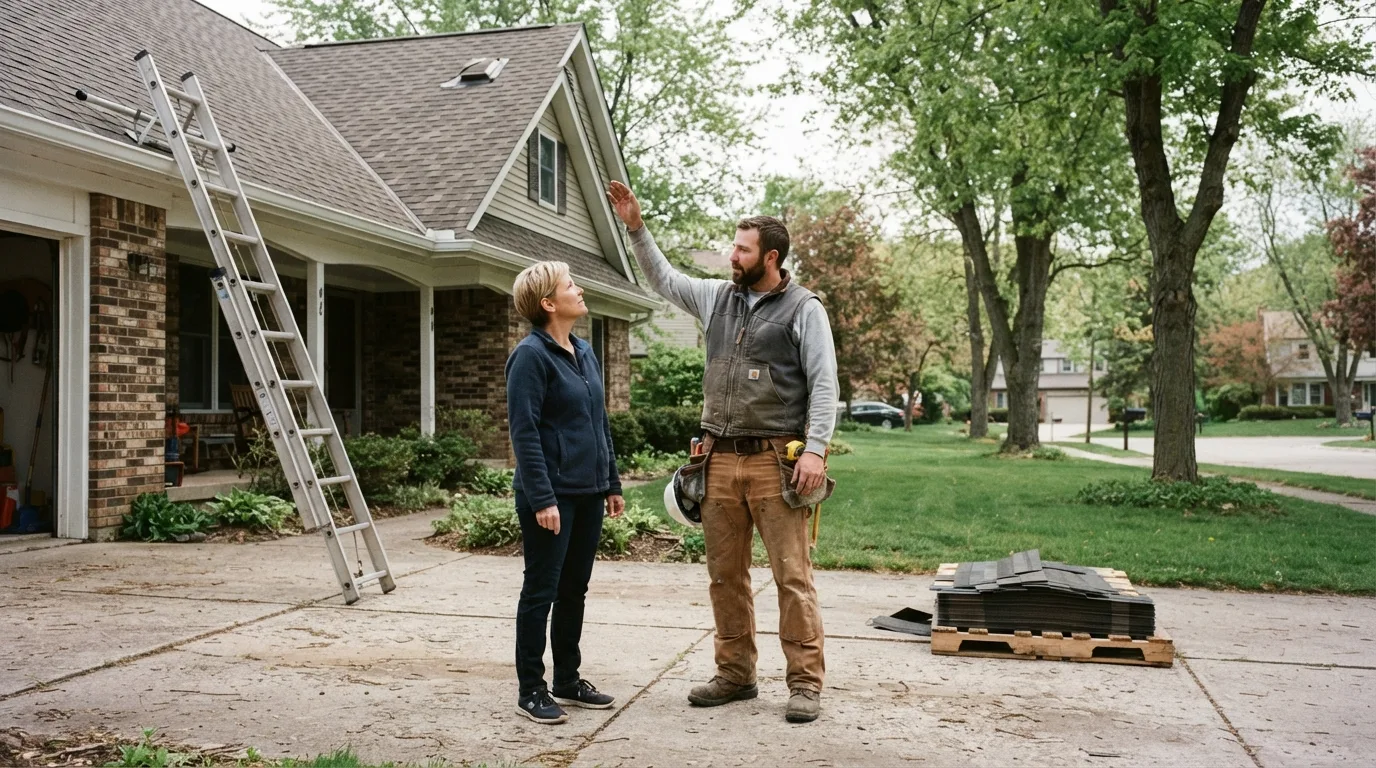
Finding an honest contractor begins with filtering out aggressive solicitations after severe weather. Unvetted crews and out-of-town storm chasers often move rapidly through damaged neighborhoods to secure quick signatures, offering free roof inspections to get foot traffic. Homeowners should always secure independent recommendations before entering into any contract. And flatly refuse to allow uninvited individuals onto their property following telephone cold calls or unsolicited street visits (insurancejournal.com, 2013). Fraud investigators caution that some dishonest operators intentionally vandalize shingles during unmonitored inspections to mimic genuine hail impacts, creating artificial damage to manufacture insurance claims.
Protecting your property requires demanding proof of an established local presence. While an untrustworthy solicitor relies on unmarked vehicles, temporary post office boxes, and high-pressure tactics demanding that you sign your insurance claim over immediately, a dependable business operates transparently. Reputable outfits bring clear proof of a permanent physical address, hold valid credentials, and provide verifiable references from nearby homeowners.
- Screen cold calls
- Confirm license and insurance
- Request itemized estimate
- Inspect full exterior system
- Secure lien waivers
Verifying contractor credentials and local reputation#
Online aggregators and search engines frequently present fly-by-night operations and established tradespeople as identical entries, making direct verification essential.
Licensing, insurance coverage, and manufacturer certifications#
Validating paperwork directly with governing bodies is the best defense against liability. Request the contractor's state registration details alongside a formal Certificate of Insurance covering both General Liability Insurance and Workers' Compensation Insurance. Do not accept a paper photocopy handed over at the door. Call the issuing insurance carrier directly to confirm that policy numbers remain active and have not lapsed. For example, Horizon Roofing & Construction maintains active protection under license number 2102217439 and carries comprehensive insurance for every project.
Demanding manufacturer-certified installer credentials separates elite crews from casual labor. Leading material producers offer credentials for professional installers, such as CertainTeed qualifications. A standard, non-certified crew might slap shingles down according to minimum building codes. Entrusting your installation to non-certified laborers risks improper fastening and voided material protections down the line.
Local references and complaint histories#
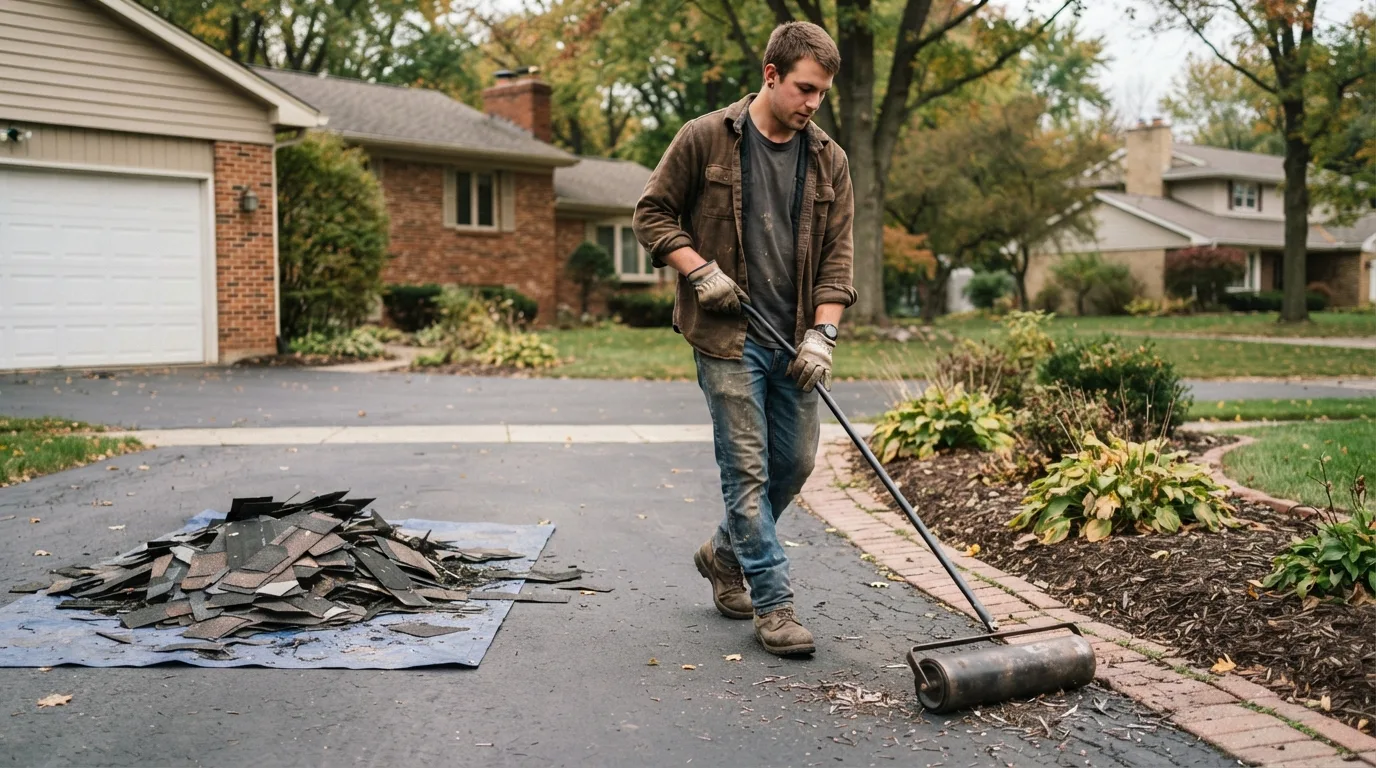
A legitimate contractor stands on a track record built over years within the immediate community. Drive by these properties to inspect ridge lines for sagging, valley alignment, and proper shingle overhang at the eaves, then ask the owners how punctually the crew worked and whether daily magnet sweeps cleared stray fasteners from driveways. An experienced roofer who has operated steadily within an area since 1999 brings a level of community accountability that a newly formed shell company cannot match.
Cross-reference your candidate's legal entity name across state licensing enforcement portals and the Better Business Bureau directory. Search county court dockets specifically for unresolved breach-of-contract lawsuits or repeat subcontractor mechanic's liens filed against the business entity. Pay close attention to how a business responds to customer disputes on the BBB registry. Consistent complaint patterns regarding unauthorized change orders, abandoned timelines, or perimeter garden damage indicate poor management, regardless of how slick the front-facing sales presentation appears.
Conducting on-site inspections and comparing bids#
Evaluating contractors requires looking beyond simple surface assessments to analyze structural scopes and complete project contracts.
Total Contract Price = Materials + Labor + Tear-Off Scope + Permitting
Roof and exterior integration inspection scope#
A thorough roof assessment must never stop at surface shingles.
Homeowners should require contractors to evaluate the entire building envelope during their physical walk-through:
- Roof decking soundness, checking for spongy OSB or rotted wood panels near drip edges.
- Attic ventilation standards, verifying balanced intake along soffits and clear exhaust at the ridge.
- Flashings around vulnerable transitions, including chimney curbs, valleys, and plumbing penetrations.
- Gutter and downspout capacity to confirm that runoff discharges safely away from the foundation.
Evaluating itemized estimates and proposal details#
Because search directories make diverse operations appear identical, covered above, homeowners must independently audit itemized material teardowns and certified labor. Lump-sum bids represent a serious hazard. When a proposal lists a single total figure without itemization, you cannot verify whether the price includes high-grade ice and water shield, synthetic underlayment, new chimney flashings, or total tear-off down to the bare wooden deck.
Always obtain three written estimates and demand line-item transparency. A rigorous quote explicitly details:
- The exact shingle brand and product line, such as CertainTeed architectural shingles.
- Underlayment specifications, contrasting standard organic felt with premium synthetic underlayment.
- Valley metal thickness and flashing replacement scope rather than reusing rusted pieces.
- Debris removal fees, dumpster rentals, and magnetic nail sweeps across the perimeter.
- Specific per-sheet replacement pricing for rotted plywood or oriented strand board.
Warranty provisions and payment terms#
Homeowners must clearly distinguish between a manufacturer warranty and a contractor's workmanship warranty. A manufacturer warranty covers physical material defects. But it never covers installation errors or leaks caused by poor workmanship. For long-term peace of mind, pair durable materials with a firm workmanship guarantee, such as a 5-year Contractors Workmanship Guarantee, backed by a contractor with a 5-star average review rating.
Protecting your finances also involves establishing clear milestone payment terms. Never agree to pay the total balance upfront. A common structure involves a modest initial deposit, a progress payment once materials arrive on-site, and the remaining balance upon final completion and cleanup. Before issuing the final check, insist on receiving signed mechanic's lien waivers covering both the labor crew and the material supply house. A signed lien waiver prevents unpaid suppliers or subcontractors from placing a legal claim against your home, ensuring your project wraps up securely.
To apply these vetting criteria to your property, conduct a thorough exterior walk-around this week to note flashing rust, gutter sagging, or loose shingles. For homes in Northville, Plymouth, and Canton, Horizon Roofing & Construction provides honest, no-pressure evaluations, helping you identify ventilation blocks and structural roof needs before severe storms hit.
| Evaluation Factor | Reputable Local Contractor | Opportunistic Storm Chaser |
|---|---|---|
| Solicitation Method | Inbound requests or verified recommendations | Unsolicited door-to-door visits and phone cold calls |
| Physical Address | Permanent, verifiable local office address | Temporary post office boxes or unmarked operations |
| Estimate Structure | Line-item quotes detailing materials, labor, and teardown | Vague, single-figure lump-sum proposals |
| Inspection Conduct | Comprehensive inspection of deck, flashings, and vents | Risk of intentional shingle damage to mimic hail claims |
| Warranty Coverage | Contractor workmanship warranty backed by local presence | No local availability for future warranty claims |
| Vetting Step | Required Documentation | Direct Verification Action |
|---|---|---|
| State Licensing | Official state registration details | Confirm registration standing with governing state licensing boards |
| Insurance Coverage | Certificate of Insurance (Liability & Workers' Comp) | Call issuing insurance carrier directly to verify active status |
| Manufacturer Status | Tiered installer credentials (e.g., CertainTeed) | Verify authorization level for extended factory warranty coverage |
| Community Standing | Recent local client references and BBB profile | Contact nearby homeowners and review dispute resolution histories |
| Financial Protection | Signed mechanic's lien waivers | Obtain waivers from labor crews and material suppliers before final payment |
Roofing Bid & Deposit Evaluator
Helps homeowners evaluate contractor bids by estimating roof size (squares), a baseline budget range for comparison against itemized estimates, and the maximum upfront deposit recommended before work begins to avoid payment scams.
Estimated Roof Surface (Squares):
Estimated Low Bid Baseline:
Estimated High Bid Baseline:
Maximum Upfront Deposit on Median Bid:
Frequently Asked Questions
What are some signs a roofer is reputable?
Look for an established permanent address, verified licensing and active general liability and workers' compensation insurance, manufacturer installer certifications, local references, transparent line-item estimates, and solid workmanship warranties.
How to find a legitimate roofer?
Filter out cold callers, verify active licensing and insurance policies directly with carriers, demand detailed itemized bids, inspect third-party complaint records like the BBB, and secure local homeowner references.
What are the red flags to watch for when hiring a roofer?
Major red flags include unsolicited door-to-door or phone cold calls, pressure to sign insurance claims immediately, lack of physical local offices, unmarked vehicles, and vague lump-sum quotes lacking material details.
BBB Roofing complaints
Check third-party databases like the Better Business Bureau directory to verify a contractor's physical location, review customer ratings, and assess patterns in how they handle disputes or abandoned timelines.
Disclaimer
This content is general information about roofing and home-exterior work and is not a substitute for an on-site inspection. Contact Horizon Roofing & Construction for advice specific to your home.
Sources
- Survey: Most Texas Voters Support Licensing Roofers - insurancejournal.com (2013-02-20)
- Horizon Roofing & Construction (first-party SERP tracking) - Horizon Roofing & Construction (first-party SERP tracking) (2026-11-14)